Last summer I strolled a 1970s cattle ranch where the owner had actually neglected a thin stair‑step crack in the block veneer for 2 years. By the time she called, the front door required a hip check to shut, two indoor walls had fresh joints in the drywall, and the piece had gone down nearly an inch along the boundary. What can have been a half‑day epoxy job became underpinning with 8 helical piers, a new interior drainpipe along the front wall surface, and stonework re‑pointing. She paid five times greater than she would certainly have if she had acted early. That is the throughline with structures: small problems stay cheap for a short home window, then compound under the weight of water, soil activity, and time.
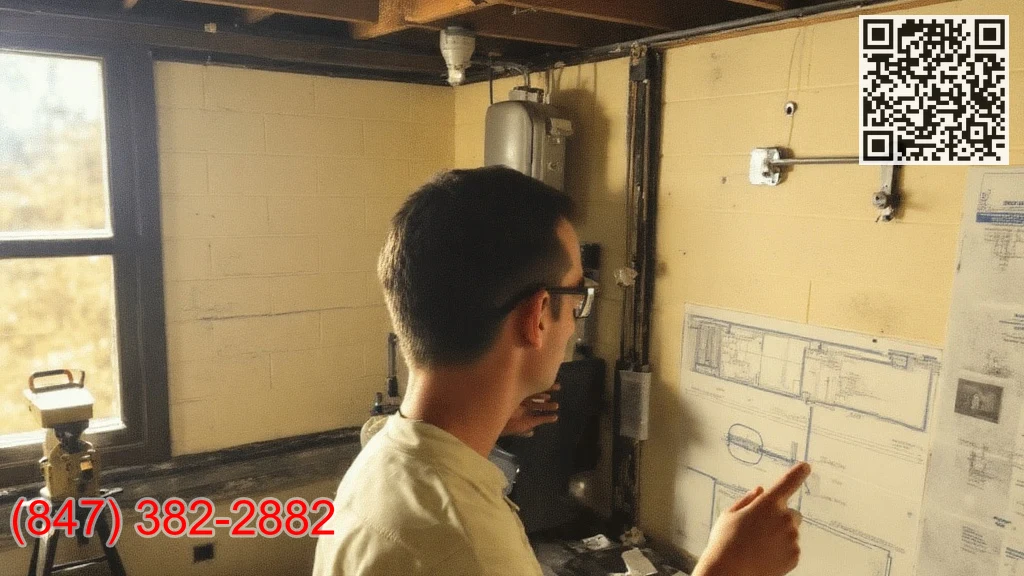
If your gut claims something is off, it most likely is. The right search terms assist, whether you type structure repair service near me, foundation fixings near me, or even the confusing structures repair service near me. The more crucial action is to obtain a certified set of eyes on website. Below is why waiting prices greater than calling an expert today.
Why foundations fail in the first place
Buildings move due to the fact that the ground under them relocates. Some dirts swell when wet and reduce when completely dry. Others lose stamina under continual dampness. In colder environments, frost heave raises shallow footings throughout freeze‑thaw cycles. On sloped whole lots, improperly guided roofing system drainage erodes dirt at the base of structures. Add a plumbing leakage, a missing out on downspout, or an adverse grade that funnels water toward the house, and you have the recipe for settlement, heave, or lateral wall pressure.
Basements and crawl areas deal with various risks than slabs on grade. Basement wall surfaces see hydrostatic pressure from groundwater. Without functioning ground drains, that stress can bow walls inward a quarter inch or even more, split mortar joints, and press water through cold joints and tie openings. Crawl rooms take a breath damp air in summer season, then condense dampness on cooler framing. Over periods, that increases wood wetness web content, softens sills, and welcomes fungal development. Creep area encapsulation transforms the physics under your home by separating dirt, sealing vents, and managing moisture, yet only if the drainage and structure are resolved in the proper order.
Clay heavy regions, river valley silts, seaside sands, and glacial till each need different repair service techniques. That is one factor a regional specialist issues. They understand exactly how deep bedrock lies on your side of town, which areas ride on fill, and whether the springtime thaw or cyclone season is the threat window.
Reason 1: Early splits set you back far less than architectural fixes
Hairline cracks in put concrete are common. They typically result from typical shrinking and can be steady for several years. The difficulty begins when those lines broaden, expand diagonally from home window corners, or open and close with the periods. As soon as a split admits water, freeze‑thaw cycles can wedge it larger. If it telegraphs into completed rooms, you begin paying twice, once for structure and once more for indoor repairs.
Here is what the price contour resembles in wide strokes, based on common US markets:
- Epoxy or polyurethane shot for a non‑structural upright split might run a couple of hundred dollars per split, occasionally 350 to 700 depending on size and availability. If you catch it before water spots and mold and mildew, you are carried out in a morning and you are not reconstructing trim or repainting whole rooms. Carbon fiber bands or grids to strengthen a slightly bowing basement wall surface can set you back 350 to 1,000 per band installed at the correct spacing, normally every 4 to 6 feet. This is far less expensive than digging deep into the outside and restoring a wall surface, offered the deflection is within engineering restrictions, usually under an inch. Underpinning with helical or press piers generally runs 1,200 to 3,000 per pier in lots of areas, often a lot more for deep installments or limited gain access to. A modest negotiation area could need 6 to 10 piers. An entire side of a home may require 12 to 20. That range transforms a delayed choice into a five‑figure task in a hurry. Slab lifting with polyurethane foam or cementitious cement, sometimes called slabjacking, can bring sunken interior floors back in a few hours. Done early, it conserves cabinetry, ceramic tile, and trim. Wait up until the piece settles erratically under surfaces, and you can double your expense in tear‑out and rework.
Multiply any one of this by moisture‑driven damages, and the bill expands. For instance, a single dripping fracture that goes untreated can damp a number of linear feet of base plates and subfloor. If that presses wood moisture over 20 percent, degeneration fungis and woodworker ants have a grip. You can not epoxy your way out of rotten framing.
Acting now keeps you in the tiny tool, tiny crew category. Waiting presses you towards steel, excavation, larger tools, and extensive interior repairs.
Reason 2: Water is winning while you wait
Water will certainly constantly find the course of the very least resistance, and it does not take a whole lot to create problem. Fifty percent a gallon a day with a foundation cold joint is enough to include moisture, tarnish finished walls, and feed mold on paper‑faced drywall. Hydrostatic pressure pushes water via tiny passages in concrete that look strong to the nude eye. That is why basement waterproofing is as much regarding taking care of pressure and paths as it has to do with coatings.
When a specialist check outs, they look exterior initially. Are downspouts unloading at the base of the wall surface, especially at inside edges where 2 roof airplanes meet? Is the grade pitched toward your home, also by an inch or 2 over several feet? Does the sump pump discharge ideal onto a sidewalk that pitches back toward the structure? Remedying these products is often the least expensive, greatest return step you can make, and an excellent service provider will certainly tell you that even if it implies you require them less.
Inside, an indoor drainpipe system relieves pressure at the footing level, collects seepage, and routes it to a sump. Common arrays for quality interior drains pipes run 70 to 120 per direct foot depending on concrete density, challenges, and whether you want a battery backup pump. If you have a block wall with cores that fill and weep, a weep‑hole alleviation information at the base pairs with the drainpipe to dry out the wall. For a put wall surface with one problem crack, shot and exterior grading fixes may be sufficient. For prevalent concerns, cellar waterproofing from the within, from the outdoors, or a mix of both, becomes the sturdy play.
Crawl rooms require comparable urgency but a different toolset. If vapor climbs from bare soil into a vented crawl in summer, cozy air carries moisture up into cooler flooring framing. Envelop crawl space systems transform that by securing the ground with a thick lining, taping and sealing seams, protecting the wall surfaces where suitable, and managing humidity with a dehumidifier linked to a condensate drainpipe. Costs vary commonly, typically 3,000 to 15,000 for a common home relying on dimension, accessibility, and whether structural fixings are likewise required. Several house owners search envelop crawlspace or perhaps mistype it as encapsulated crawl.space when they initially begin reading about it. The key is not the spelling, it is doing the sequencing right. If the crawl has standing water when it rains, you begin with drain and a sump, after that envelop. Sew up the room initially without resolving water, and you catch an issue rather than resolving it.
Moisture never ever negotiates. If you are seeing efflorescence, musty smells, cupping hardwood above a crawl, or paint molting from basement walls, the clock is currently running.
Reason 3: Safety and resale both enhance with recorded repairs
Foundation movement does not just hassle you with sticky home windows. It changes load courses. Interior wall surface fractures around entrances indicate differential motion across a period. A gap under a wall tells you the subfloor is not planar. In basements, side stress can bow a wall surface up until it sheds capability, specifically if tall backfill and shallow footing deepness integrate improperly. None of this indicates your residence is about to drop, but it does mean the margin of security narrows as damages progresses.
From a market point ofview, disclosure is inescapable in a lot of jurisdictions. If you sell with well-known movement or water entry, you will certainly either repair it mid‑sale or you will attribute the purchaser greater than the expense to fix. Appraisers flag straight cracks in cellar wall surfaces. Lenders obtain cautious, specifically with government‑backed fundings. Reports from a licensed foundation repair work professional bring weight. Also better, when an architectural engineer defines a fixing and the specialist executes to that strategy, the proof calms nerves and protects value.
I frequently see sellers recover numerous times the expense of properly performed foundation repairs because they take uncertainty off the table. The opposite takes place when a person does aesthetic work just. Fresh drywall mud over an energetic split glows like a beacon to experienced eyes, and buyers either stroll or need deep discounts.
Reason 4: Local competence beats common advice
Algorithms do not stand in your backyard with a level. Regional specialists do. When you browse foundation repair work near me and call a number of firms, you are purchasing hard‑won pattern acknowledgment. In my region, for example, homes east of the river sit on large clay that can swell and shrink over an inch in between seasons. We established pier midsts in a different way there than on the west side, where antarctic till sits shallow. Frost depth matters in north markets, often 30 to 48 inches, and that influences exactly how we underpin and safeguard brand-new footings. Coastal areas deal with high water tables and corrosive soils, which dictate product options and finishing selection for steel components.
Permits and evaluations vary city to city. Some structure divisions need a designer's letter for wall stabilization. Others desire dirt monotonous information for major base. Service warranty terms that appear strong, like "life time," typically have actually neighborhood carve‑outs connected to dirt types and transferability on sale. A trusted neighborhood clothing explains these information up front. They understand the inspectors, the utility locate response times, and which alley will not take a packed skid guide after a rain.
People frequently think national brand name amounts to far better fix. Often indeed, sometimes no. Repair work techniques are devices, not dishes. A local pro who has actually installed thousands of helical piers in your soil can tell the difference between a pier spinning easily due to the fact that it struck loosened fill and a pier torqueing up since it reached experienced strata. That judgment call chooses whether your home lifts predictably or keeps moving after the team leaves.
Reason 5: Genuine diagnostics require devices and judgment
Foundation job looks simple from the aesthetic. Up close, it mixes dimension, materials science, hydrology, and building codes. The first hour on website is frequently one of the most valuable. Below is what a seasoned specialist brings.
They procedure elevation differences across the flooring with a turning laser or a sensitive degree that finds surges and dips within a quarter inch. They check out split patterns inside and out, considering size changes from one end to the other, mapping where settlement likely occurred. They probe timber with a dampness meter. They evaluate sill plates and rim joists in crawl rooms for crush or rot. They check for plumbing leakages that could be threatening the soil. On block wall surfaces, they seem the face shells and look for step fracturing. On put walls, they focus on vertical fractures near the middle of long runs versus at corners and openings.
Sometimes they recommend a drain range if the major line runs under a slab, due to the fact that a persistent leakage in a clay or actors iron line can get rid of dirt. Partially of the country with high plasticity clays, they will certainly inquire about seasonal patterns. Do doors jam extra in August and kick back in January, or is it the reverse? That detail often differentiates seasonal swell from one‑time settlement.
None of this is guesswork. It is a procedure that finishes with a prioritized strategy: maintain framework where needed, take care of water on the outside, capture water on the inside where required, then restore surfaces and, if suitable, envelop the crawl.
Red flags that must set off a telephone call this week
- A straight fracture in a basement wall that you can fit a coin into or a wall surface that bows internal more than a quarter inch throughout its height Doors or windows that instantly stick along with brand-new angled drywall cracks at the corners Repeated water entry at the base of a wall or a sump pump running frequently after typical rain Sloping floorings you can feel when you stroll, especially near exterior walls or over a crawl space Efflorescence, musty smells, or visible mold in a cellar or crawl area that was formerly dry
If you are seeing two or even more of these at once, focus on the telephone call. You are likely taking care of both architectural activity and wetness, which with each other accelerate damage.
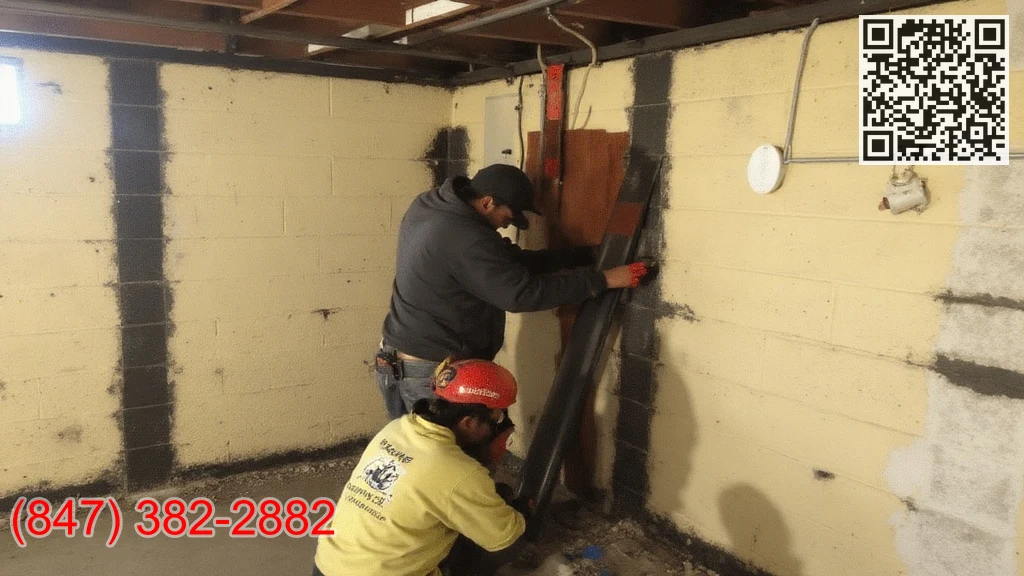
What a check out from an expert commonly involves
- A walkthrough inside and out while you describe what you have discovered and when it began Measurements of floor altitudes and crack widths to develop a straightforward map of movement A wetness and water drainage analysis that consists of gutters, grading, sump devices, and any kind of plumbing risks A discussion of fixing options with advantages and disadvantages, timelines, and ball park ranges A composed range with drawings or altitudes that you can compare apples to apples throughout bids
Good professionals do not press you on the spot. They expect concerns and welcome a second collection of eyes, including from an engineer when the circumstance calls for it.
Choosing the right service provider near you
Credentials matter, but the material of the conversation matters more. Pay attention for sequencing, not mottos. If a person leads with a solitary item for every issue, be cautious. Piers do not deal with water. Waterproofing does not deal with negotiation. An audio strategy orders the job so each step sustains the next.
Ask exactly how they decide in between push piers and helical piers on your site. The solution should reference tons, soil ability, and access. For wall surface stablizing, ask whether carbon fiber, steel I‑beams, or excavation is proper, and under what deflection restrictions each uses. For fracture shot, inquire about resin type, surface prep, and whether the repair stays adaptable if seasonal motion continues.
Request proof of insurance policy and licensing where called for. Inspect that the guarantee is transferable and what activates solution. Some firms promise lifetime coverage yet exclude adjustments that comply with major dry spells or floods, which in some regions is precisely when you may need help. Recommendations work, but pictures with altitudes taken in the past and after a lift inform the tale better. You want documents, not just assurances.
Finally, compare the extents line by line. If one quote suggests 12 piers at 7‑foot spacing and an additional proposes 8 at 10‑foot spacing for the same wall surface, ask why. Designers and seasoned installers choose spacing for architectural reasons, not benefit. The most affordable price frequently conceals lighter scope.
When to combine architectural deal with waterproofing or encapsulation
Structure first, water control 2nd, air and vapor control third. That sequence is not about upselling, it is about physics. If a cellar wall surface is relocating inward, stabilize it before completing drains and coverings. If a piece is working out as a result of a leak, fix the leakage and the soil prior to lifting the piece. In a crawl room, if water goes into during tornados, take care of exterior grading and add an indoor drain and sump before you encapsulate the area. As soon as bulk water is regulated, https://unitedstructuralsystems.com/geneva/ mounting a high‑quality lining, sealing infiltrations, insulating appropriately, and running a dehumidifier will certainly keep wood wetness web content in the secure variety, commonly 12 to 15 percent in lots of climates.
Basement waterproofing and crawl area encapsulation comfortably stay in the very same project when a home has actually mixed problems, like a cellar under the main house and a crawl under an enhancement. A detailed strategy ensures the systems match each other, for instance by directing all discharge to an usual daytime line with appropriate freeze protection rather than discarding water near another wall.
If you have currently encapsulated however still smell mustiness, do not assume the lining fell short. In some cases the missing web link is a dehumidifier that can actually hold the set factor in moist months, or an easy air seal at an edge joist. Other times an ignored exterior downspout is soaking the dirt and pressing dampness up from the edges. A local professional can arrange that in an hour.
Timing and seasonality
Different seasons prefer various tasks. Springtime discloses drain issues clearly. You can see where water runs and ponding happens, but professionals book up fast. Summer is optimal for excavation and lifts on dry dirts, though drought‑shrunken clays can mask activity, only to rebound after a wet loss. Fall is a good window for encapsulation and basement interior job since moisture decreases and materials heal dependably. Wintertime limits exterior work in chilly regions where frost makes excavating not practical, however it is a quiet time for diagnostics and interior repair work. If you have immediate motion, you do not wait for a perfect period. You support now and schedule corresponding work at the ideal time.
Budgeting without blind spots
You can plan intelligently with practical varieties. Easy fracture shot might sit under 1,000. Carbon fiber reinforcement for a moderate wall surface might land between 2,000 and 6,000. An indoor drain with a top quality sump system in a typical basement can run 5,000 to 15,000 relying on video and intricacy. Underpinning typically beings in the 10,000 to 40,000 band for partial perimeters, even more for full wraps or deep installations. Creep area encapsulation spans 3,000 to 15,000, with dehumidifiers in the 1,200 to 2,500 bracket and sumps 800 to 2,500.
What moves the needle: accessibility, concrete density, utilities to reroute, indoor finishes to safeguard or get rid of, and whether you need engineering. Financing alternatives exist, from same‑as‑cash periods to longer term car loans. Read the terms. Reduced regular monthly payments can mask high complete expense. Some communities offer programs for drain enhancements or improvement of water infiltration in older homes. Ask your contractor if they understand of local incentives.
The expense of waiting, mounted clearly
The lure to view and wait is human. Some splits absolutely are harmless and some residences clear up a bit and quit. The problem is that problems do not announce which classification they belong to till they either maintain or speed up. A brief see from a certified expert near you provides you a map. Maybe you monitor and do easy upkeep like extending downspouts 10 feet and regrading one side. Maybe you tackle a concentrated fixing currently and prevent a waterfall later. Both results are better than guessing.
If you are already looking for foundation fixings near me, you are past the doubt stage. Make 2 or three telephone calls. Ask genuine inquiries. Expect straightforward solutions rooted in your dirt, your structure, and your budget plan. And if component of the fix involves cellar waterproofing or a strategy to envelop crawl area areas after water drainage is fixed, approach it as a coordinated job, not a bit-by-bit patch.
I have yet to fulfill a property owner who was sorry for acting beforehand a foundation problem. I have met dozens who wished they had actually called prior to the door stuck, prior to the ceramic tile fractured, prior to the moldy odor crept up the staircases. Foundations are not an enigma so much as a system. Get an expert in your corner, locally, and the course onward gets easy fast.
 Ask ChatGPT
 Ask Grok
 Ask Perplexity
 Ask Claude
 Ask Google AI
 Ask You